
Atypical Myopathy – Jane’s Story – A Survivor
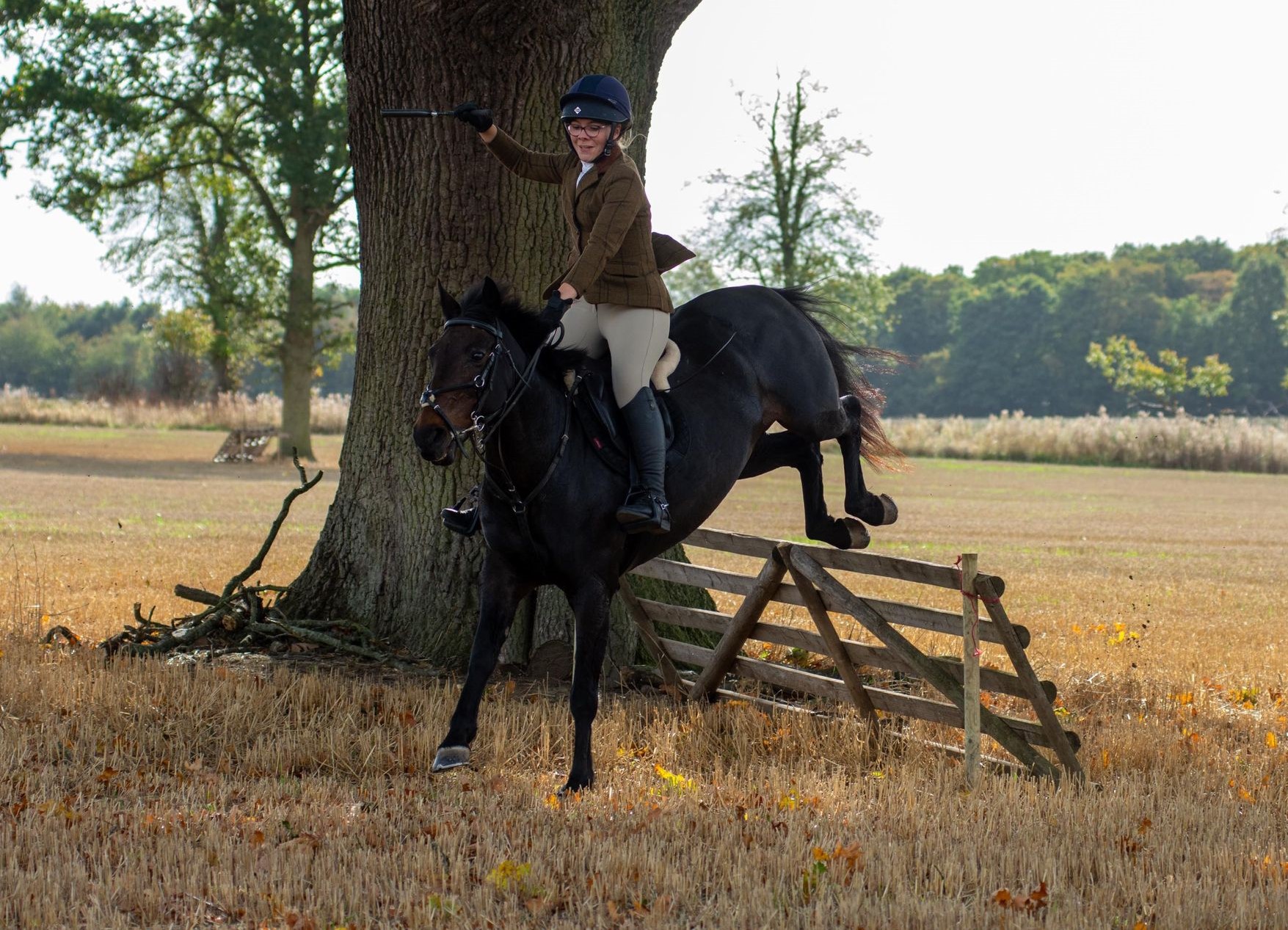 So I was out hacking Jess, my Irish Sport Horse – she was hunting fit at this point, just finished team chasing season – we had a canter and once we had gotten back onto the roads and were walking she felt lame. We had a trot and she was definitely off, I jumped off her and walked and trotted her in hand and she looked slightly off. We walked home in hand and Jess was producing white foamy sweat all over her body even though she only had a tiny canter which was very strange.
Once we got home Jess was still producing more sweat but was shivering in coldness. I hosed the mud off and put her in the stable. She continued to shiver so I double rugged her. As I went to put her in the stable she couldn’t walk. Her legs weren’t working at all, just locked in a position. After a few minutes step by step she managed to get into the stable. She then started pawing the ground and dug her whole bed up in a matter of minutes and began turning her rubber mats up.
Jess was not rolling or even trying to. Her head was low, she was chewing her mouth and her eyes were rolling to the back of her head almost. We called the vet as a colic emergency and she had Buscapan, pain killer, bloods taken and checked for any blockages. No blockages were found. Next morning the vet told us to turn her out so we did, she could walk but was extremely stiff.
Vet rang and said her muscle enzymes were off the scale, they sent the bloods to the Royal Veterinary Centre in London and her enzymes were 96,000 which is dangerously high, they considered tying up.
That evening I noticed Jess’s urine was the colour of blood, I told my mum (not horsey) and she said it would be red in the shavings if it was a problem, the shavings were clear so thought nothing of it. Jess pawed the shavings slightly that evening but nothing major. The next day we went to London and left my horses with my groom, on our way to London our groom rang and said Jess became cast whilst she was filling up haynets. Jess was pushed over by 5 people and she acted fine.
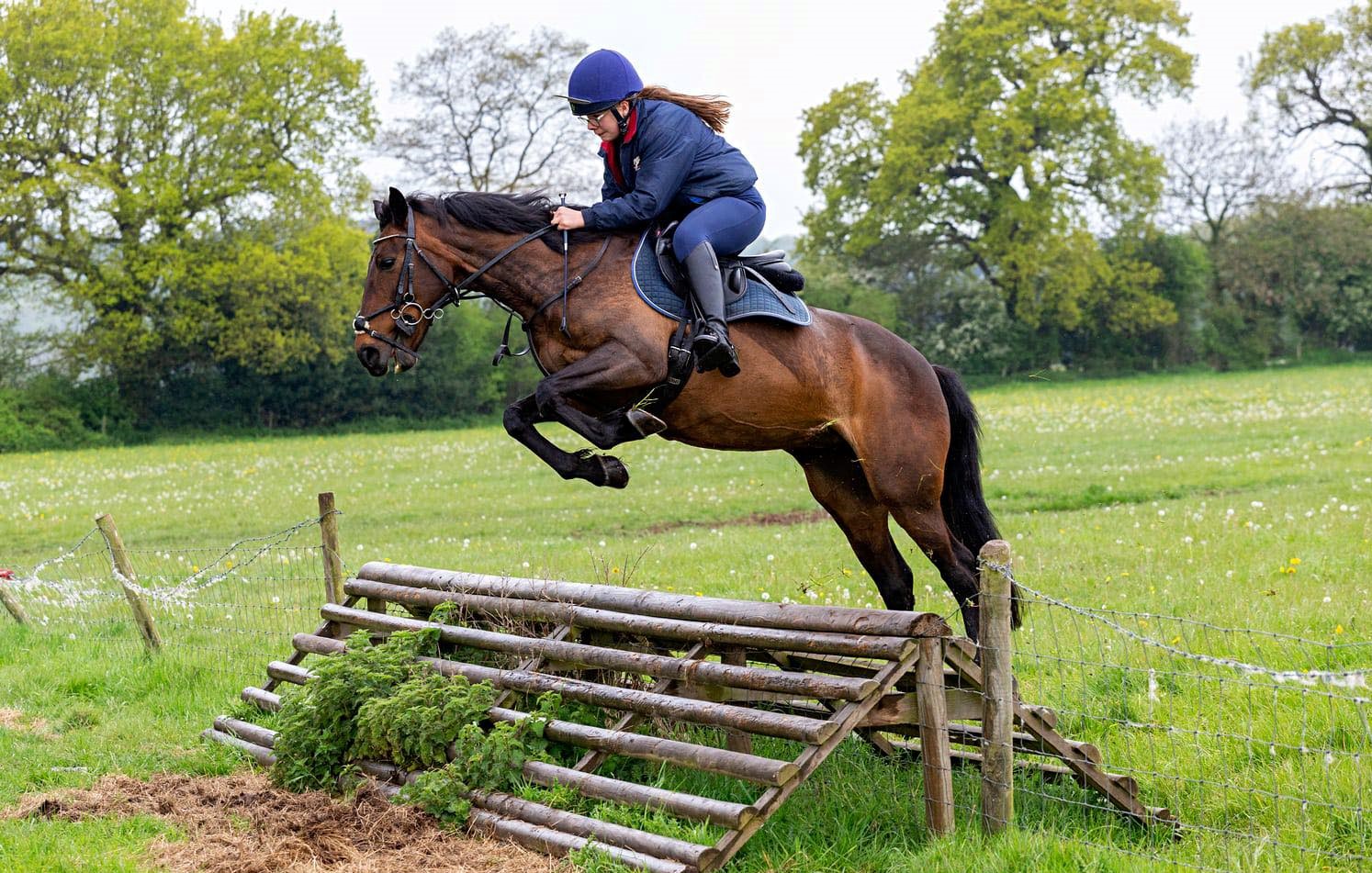 That evening the vet rang and we told her she got cast, the vet was worried she had Sycamore poisoning and asked what her urine was like, we told her and they needed Jess in immediately for monitoring as they feared for her life. Jess was taken to Oakham vets and was in for 8 days, her muscle enzymes were high and low and repeated testing for the 8 days, she coliced once and had a major nosebleed. She was on drips and had multiple injections and supplements. Jess appeared better but was still a bit zoned out.
After 8 days Jess came home and more bloods were taken, her enzymes were 8,000 so still very very high. After a month they continued to decrease and the veterinary hospital signed her off!! Jess had 2/3 months off work and she has recovered impeccably!!!! Would never ever believe she had a problem.
Oakham had 17 horses in with suspected poisoning and only 3 horses survived. Jess being the oldest (only 12 years old). Prior to her showing signs of being ill she had been kept in for 4 days and only hand grazed as the ground was so wet. I never found any sycamore seeds at all in her paddock but am aware they can be blown very long distances. It was October / November time which is when the seeds fall / blow from the Sycamore tree. No other horses were sick and none had ever previously been diagnosed on the property with Atypical Myopathy.